


Yangzhou fried rice was the motivation for me to visit Yangzhou. As the idea blossoms, I started wondering more and more about this city and its world-famous dish. Questions that I should have asked before (yet taken for granted and ignored) led to research, which didn’t provide that much info, leading to more questions – kinda like opening a can of worms.
But I was intrigued, so we went.
The Story about Yangzhou
Sitting on the northern bank of China’s longest river (also the 3rd longest river in the world), Yangzhou is a prefecture-level city located in central Jiangsu Province. For context, that’s the eastern part of China, where Shanghai is also located.
With its advantageous location by the river, it is no wonder Yangzhou was once a major regional capital and even served briefly as China’s national capital during the Sui, Five Dynasties, and Song periods.
Historically, Yangzhou was a major economic hub and one of the wealthiest cities in China. In fact, it was one of the first cities to benefit from one of the earliest World Bank loans in China. Today, this historical city is labelled as a UNESCO Creative City of Gastronomy for its rich food heritage.
But! How did Yangzhou fly under the radar while cities like Shanghai, Shenzhen and Hangzhou attract flocks of tourists? 🤷🏻♀️ Personally, I’m happy for the city to stay as a hidden gem but if you have been wondering if Yangzhou is worth visiting, here’s my answer:
Yangzhou is worth visiting!
If exploring local culture, nature and food is your thing (high-5!), Yangzhou will appeal to you. During our short trips, we focused on food trails and enjoying the greenery. There are plenty more to explore, and we will be back. Meanwhile, here’s what to do and where to go in Yangzhou:
Go on relaxing city walks
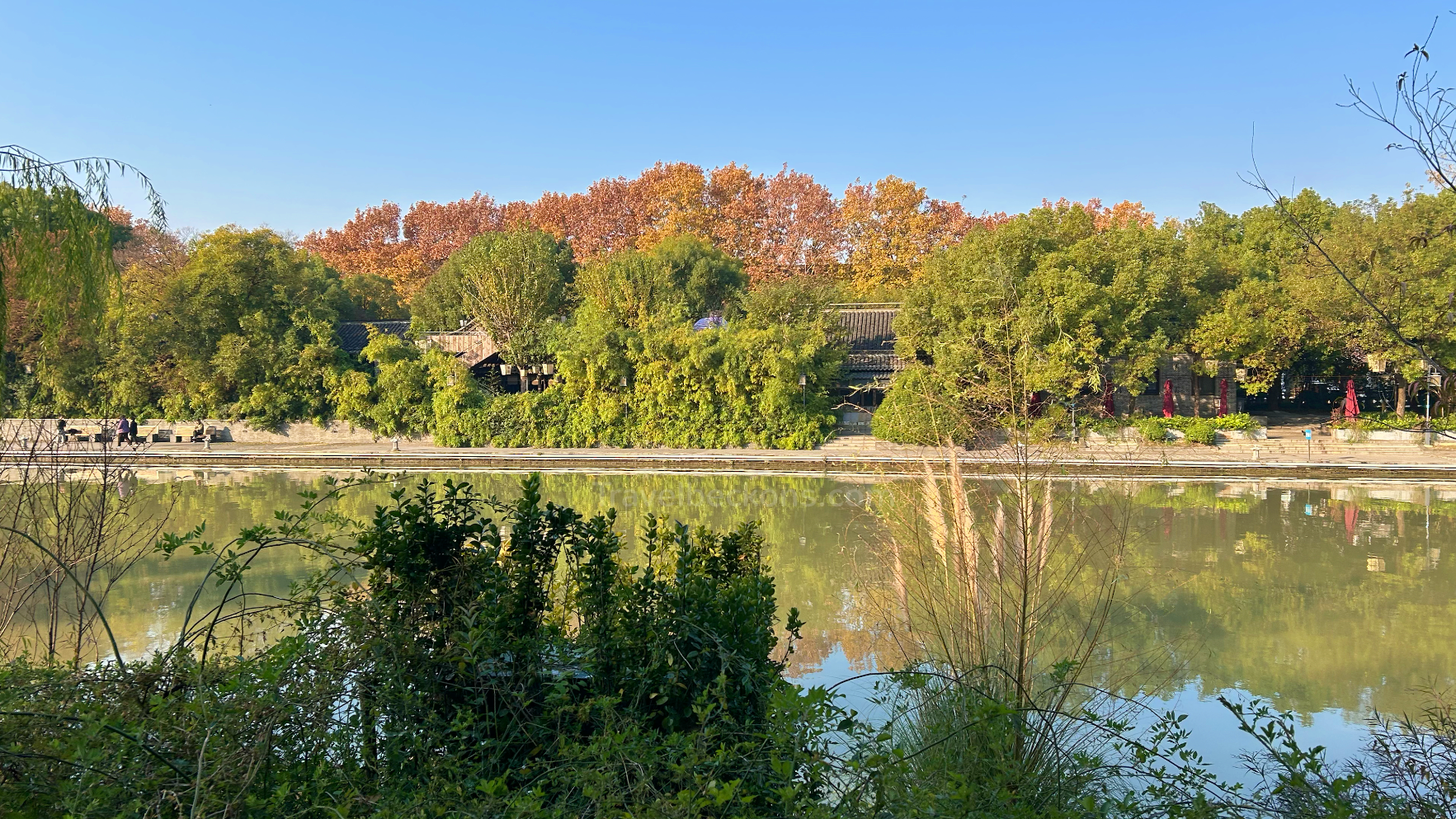
Yangzhou is very walkable with prominent streets and attraction sites that are located near to one another. The best part is how green the city is. Yangzhou reminds me alot of home (Singapore), albeit on a bigger scale with a longer and richer heritage.
The Grand Canal runs through Yangzhou city. Think pedestrian-friendly paths along the canals with bridges that are great for relaxing walks. As a slow traveller, I love walking. Despite the time constraints of our short trip, I am grateful that we managed to take morning and evening walks along the Dongguan Street & Wharf and Ancient Grand Canal on the West Bank. If you’re staying in this area, go for the morning walk before rewarding yourself at a traditional tea garden restaurant.
PS: Didi travel is easy and affordable too, if you don’t enjoy walking.
Enjoy Yangzhou tea culture

In Yangzhou, the morning tea culture (早茶) is somewhat similar to the Cantonese tea culture of drinking tea and savouring dim sum. Yet, the pace is much more relaxed (service is awesome), and while the variety may not be as extensive as the Cantonese dim sum, the quality is unrivalled. Yangzhou serves the best buns I’ve ever tried!
Aside from morning tea, afternoon tea is also a dainty affair not to be missed. There are many beautiful historic tea houses to spend quiet afternoons amidst garden settings or river views. One day, I was sitting in a zen teahouse sipping aged white tea and nibbling on pretty snacks. As I looked out at the serene rock garden, I imagined that must be how philosophers and poets in the past got inspired!
Visit Yangzhou’s Slender West Lake
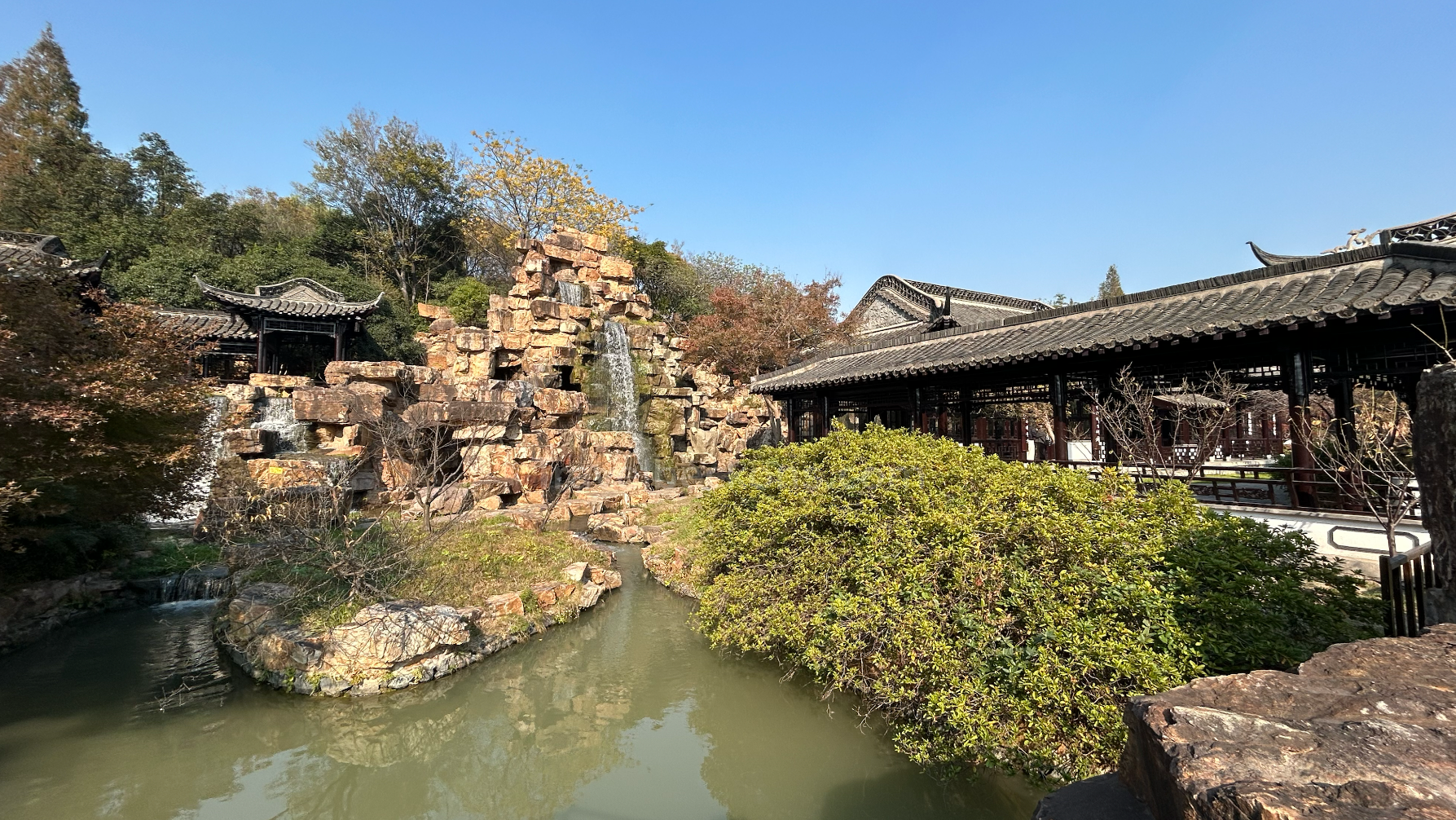
Enough about Hangzhou’s West Lake. Give Yangzhou’s Slender West Lake (瘦西湖) a chance, and you may like it more (as I do).
As its name suggests, Slender West Lake is a narrow and meandering lake that stretches ~4.3km gracefully through the city’s northwest. While it is smaller than Hangzhou’s West Lake, the Slender West Lake is recognised as the poetic heart of Yangzhou.
We visited during late autumn, and were fortunate to see myriads of colours from green, yellow, red and brown. Willow trees swayed gently while we made our way across several arched bridges and visited classical pavilions that reflected the elegance of the Ming and Qing dynasties. It was interesting to learn that Slender West Lake was once part of the Grand Canal and a favored route for imperial barges. It was even visited by Emperor Qianlong during the 18th century! Note: Admission charges apply for Slender West Lake Garden. An alternative to appreciate the lake and garden settings
Discover Yangzhou’s understated creativity & humour
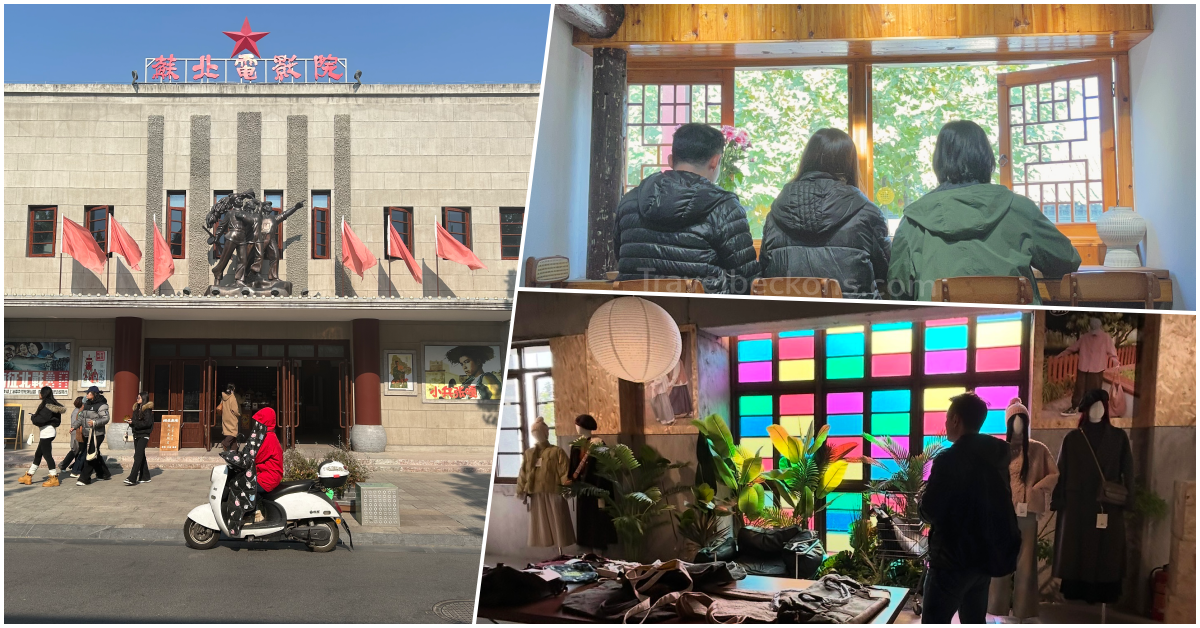
Shopping streets in Yangzhou offer varying experiences, and as you weave through the city’s offerings and connect with locals, you may just catch Yangzhou’s understated creativity and humour.
Yangzhou people struck me as down-to-earth, unassuming but very skilful. Dongguan Street and Caiyi Street are pedestrianised ancient streets, where you can find traditional shops, local snacks and crafts such as brushes, knives and cosmetics. Pishi Street is more modern and youthful, with cute localised souvenirs (which you can’t get online) and trendy eateries. Check out “FORLIVE BOOKS.”
My favourite is Guangling Road (currently work-in-progress) where iconic ancient spaces were given a new lease of life (i.e. theatre being revamped into museum and shop).
Savour Huaiyang cuisine (at your own risk)
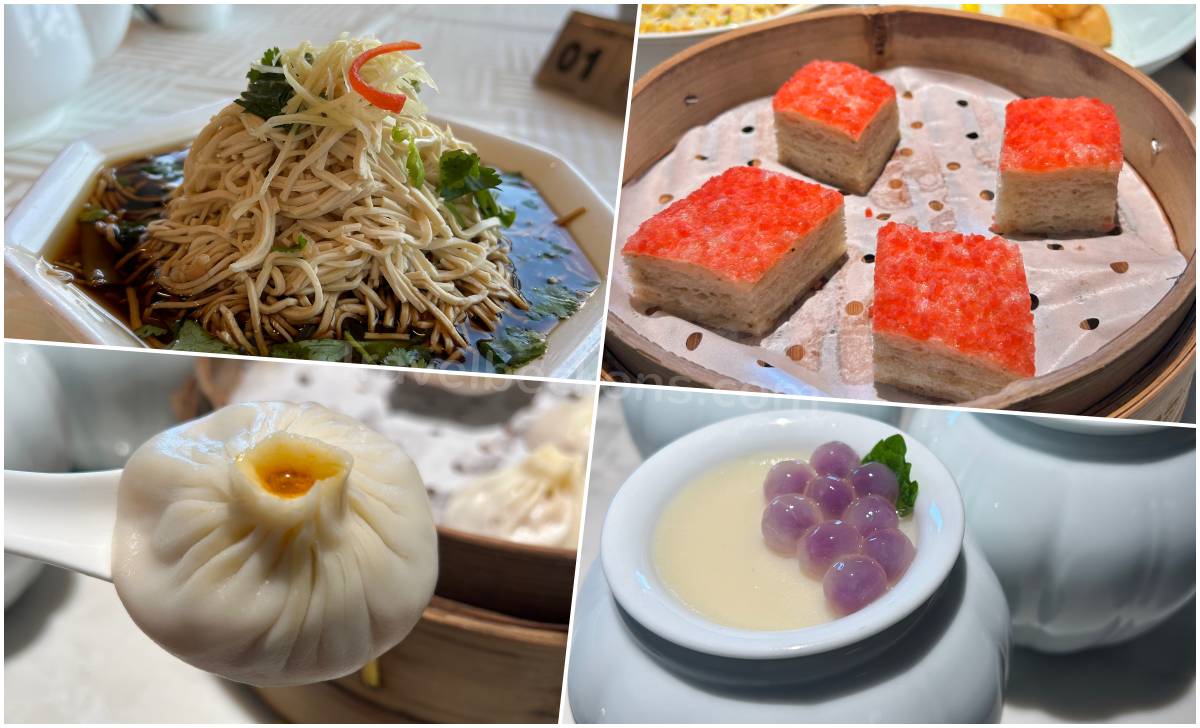
Huaiyang cuisine is one of China’s Four Great Culinary Traditions, which originates from Yangzhou and cities of Huai’an. Once you tried it, there’d be no return because its refined delicate flavours are bound to leave a lasting impression. That explains how Yangzhou Fried Rice has made its way around the world.
Huaiyang cuisine focuses on preserving the natural taste of ingredients. Yangzhou chefs deserve utmost respect for their meticulous knife work, for they can produce paper-thin slices and intricate carvings. Wensi tofu is one of my favourite dishes! In terms of aesthetics, think simple elegance over OTT (just for the gram) presentation.
When visiting Yangzhou, don’t miss Yangzhou Fried Rice, Lion’s Head Meatballs, Wensi Tofu, Five-diced Buns, pastries, etc.
How many days to stay in Yangzhou?
If you have read till this part (thank you), you’d probably be wondering how long to stay. Most visitors, be it foreigners or domestic tourists, usually stay at least 3 days and 2 nights. Most would pair it with Nanjing or Shanghai. Personally, I would prefer at least 4 to 5 days (or more) to slowly savour Yangzhou.
Stay tuned for more on Yangzhou in upcoming posts.
The above information is based on personal experiences and should only be used as a reference.
 Travel Beckons
0 comments on “Explore Yangzhou: That Understated Chinese City Worth ReVisiting”